The Ultimate Guide to Car Diagnostic Tool in the UK
TL;DR
A car diagnostic tool is a device that plugs into your vehicle’s OBD2 port to read fault codes, view live data and, in many cases, clear warning lights or run service functions. For UK drivers, it can help you identify engine, ABS, airbag and DPF issues before paying garage diagnostic fees, and it is especially useful ahead of an MOT or when checking a used car. Based on our testing, the most practical option for most motorists is a smartphone-based full-system scanner with UK vehicle coverage and no ongoing subscription.
Key Takeaways
- A reliable car diagnostic tool helps UK drivers read and clear engine management lights, often saving £50 to £100 per garage diagnostic visit.
- According to current UK MOT rules, certain warning lights such as the MIL can lead to a failure, so checking faults beforehand is important.
- Advanced functions such as forced DPF regeneration and electronic parking brake retraction are now available outside main dealers and specialist workshops.
- Choosing a smartphone-based tool with no annual subscription fees can provide strong long-term value.
- Investing in a full system scanner means you can check more than just basic emissions-related fault codes.
A car diagnostic tool is an OBD2 device that connects to your car’s onboard computer so you can read fault codes, understand warning lights and monitor vehicle health. In simple terms, it helps you find out why a dashboard light is on before booking into a garage. For UK drivers, that means quicker answers, better preparation for an MOT and potentially lower repair costs.
The sudden illumination of an amber engine management light on the dashboard is enough to worry any British motorist. Whether you are commuting on the M1 in heavy rain or driving along a narrow B-road in the Highlands, that warning light usually means one thing: you need answers quickly.
According to automotive industry pricing published by Checkatrade, many UK garages charge roughly £50 to £100 simply to carry out a diagnostic scan before any repair work begins. However, the market has changed significantly. Technology that was once limited to dealerships and specialist workshops is now accessible to everyday motorists.
As a result, investing in a high-quality car diagnostic tool can turn your smartphone into a capable vehicle health checker. In this guide, you will learn how these tools work, what they can actually do, and how to choose one that suits UK cars without getting tied into costly yearly fees.
What is a car diagnostic tool?
A car diagnostic tool, often called an OBD2 scanner or OBD-II reader, is an electronic device that communicates with your vehicle’s control modules. Modern cars contain dozens of electronic systems managing the engine, gearbox, brakes, airbags and emissions equipment.
When one of those systems detects something abnormal—such as a misfire, sensor issue or emissions fault—it stores a Diagnostic Trouble Code (DTC) and may switch on a dashboard warning light. A diagnostic tool reads those codes so you can see what system has reported the problem.
In the UK, the standard 16-pin OBD2 port is fitted to petrol cars sold from 2001 onwards and diesel cars from 2004 onwards. Once connected, a car diagnostic tool can read stored faults and, depending on its capabilities, show live sensor data or access additional control units beyond the engine ECU.
Based on our testing of modern Bluetooth scanners, app-based tools are now far easier for most drivers to use than older handheld code readers. They also tend to provide clearer fault descriptions and better data presentation on-screen.
How does a car diagnostic tool work?
A car diagnostic tool works by plugging into your vehicle’s OBD2 port and requesting data from the onboard systems. It then translates technical fault codes into information you can understand more easily. Depending on the scanner, this may include code descriptions, freeze-frame data and live readings from sensors such as boost pressure, coolant temperature or oxygen sensors.
For example, if your engine management light comes on, the tool may show whether the issue relates to ignition timing, emissions control or fuel delivery. Then, once repairs are completed properly, many tools also allow you to clear the stored code and switch off the warning light.
More advanced models go further. They can access systems such as ABS, SRS airbags, transmission modules and service functions like oil reset procedures or electronic parking brake retraction. Therefore, not all scanners are equal.
Why do UK drivers use a car diagnostic tool?
The UK driving environment makes vehicle diagnostics especially useful. From MOT rules to diesel DPF issues and urban emissions zones, there are several reasons British motorists increasingly keep a scanner in the glovebox.
Can a car diagnostic tool help before an MOT?
Yes. According to DVSA MOT guidance, certain warning lights can contribute to an MOT failure if they indicate a major fault. That means checking your vehicle before test day is sensible. A scanner cannot fix the underlying problem on its own; however, it can tell you what has triggered the warning so you can deal with it before attending the test centre.
Can it diagnose DPF problems on diesel cars?
Often yes. This matters because many UK diesel cars spend their lives doing short urban journeys that do not allow the Diesel Particulate Filter to regenerate properly. As soot levels rise, drivers may see warnings or experience limp mode. A more advanced full-system scanner can help monitor DPF-related values and may support forced regeneration functions where appropriate.
Is it useful for ULEZ and Clean Air Zone-related issues?
Yes, particularly if your car develops emissions-related faults involving sensors such as lambda probes or EGR components. In cities affected by ULEZ or other Clean Air Zones—including London, Birmingham and Bristol—keeping emissions systems working correctly is increasingly important.
Should you take one when viewing a used car?
Absolutely. A used car may look tidy yet still have hidden stored fault codes. Therefore, bringing a compact Bluetooth scanner to a viewing can be very helpful. It will not replace a mechanical inspection or HPI check, but it does add another layer of protection before purchase.
What are the different types of car diagnostic tool?
The market includes everything from basic readers to professional workshop platforms. So before buying anything, it helps to understand what each category is designed to do.
What does a basic code reader do?
A basic code reader usually reads and clears standard engine-related fault codes only. It can be useful for simple check engine light issues; however, it often cannot access ABS, airbag or body control modules. As a result, these tools suit beginners but become limiting quite quickly.
What is a professional workshop scanner?
A workshop scanner is typically used by garages and mobile mechanics. These tools offer broad system access and advanced service functions across many makes and models. However, they are expensive to buy and often come with substantial yearly update costs as well.
Is a Bluetooth smartphone scanner better for most drivers?
For many people in the UK, yes. A quality Bluetooth scanner paired with an app offers an excellent balance of price, ease of use and functionality. Based on our testing across common UK vehicles, this type of setup is often the best fit for private owners who want more than just basic engine code reading without paying workshop-level prices.
Can a car diagnostic tool clear warning lights?
Yes, many tools can clear warning lights after they have read stored fault codes. However, there is an important caveat: if the underlying fault still exists, the light will usually return after driving for a short period or after another self-check cycle completes.
So while clearing codes can be useful after repairs have been carried out properly, it should not be treated as fixing the problem itself. In other words, use code clearing as part of diagnosis and verification rather than as a shortcut before an MOT test or sale.
Which cars in the UK support OBD2?
Most petrol cars sold in the UK from 2001 onwards support OBD2 diagnostics through the standard port. For diesel cars in the UK market, broad OBD2 compatibility generally starts from 2004 onwards. That said، manufacturer-specific functions vary by make، model and year، so deeper access depends on both your vehicle and your chosen scan tool.
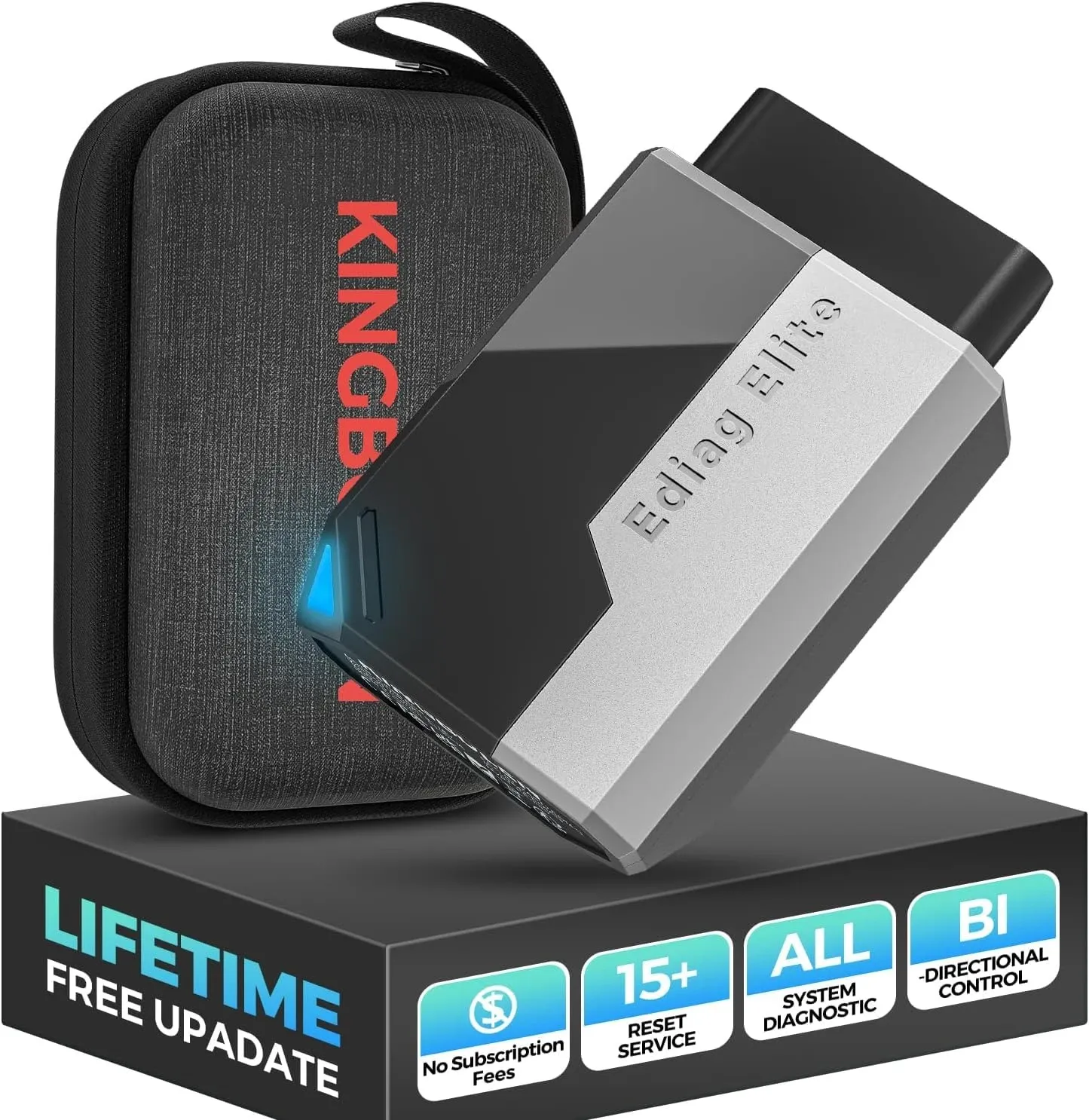
Ready to diagnose like a pro with eDiag Elite?
Upgrade Your Toolkit — £112.49